Dog bunk beds are everywhere these days. Walk into any pet store, and you’ll see stacked beds promising to solve space problems while keeping multiple dogs happy. But here’s the thing – buying the wrong one can be a expensive mistake that leaves your dogs stressed and your wallet lighter.
While this guide dives deep into what to look for in a dog bunk bed, for those new to the idea, you might first want to explore the general concept of dog bunk beds.
I’ve seen too many pet parents rush into purchases without understanding what makes a bunk bed safe versus dangerous. Some dogs end up injured from poorly designed access systems. Others refuse to use beds that seemed perfect online but feel wrong in person.
This guide cuts through the marketing fluff to show you what actually matters. You’ll learn to spot the difference between a well-built bed and a disaster waiting to happen. More importantly, you’ll understand whether a bunk bed is right for your specific dogs and living situation.
Dog Bunk Bed Fundamentals: Construction, Benefits & Core Features
What Defines a True Dog Bunk Bed
A dog bunk bed isn’t simply two regular beds stacked on top of each other. True canine bunk beds are engineered specifically for pet use, with reinforced construction, appropriate access systems, and safety features that regular furniture lacks.
Core Components:
- Reinforced frame designed for dynamic pet movement
- Safe access system (stairs, ramps, or integrated steps)
- Appropriate platform sizing for dog comfort and safety
- Stability features to prevent tipping or wobbling
- Pet-safe materials and non-toxic finishes
Primary Benefits Beyond Space Saving
Space Optimization:
- Reduces floor footprint by 50-60% compared to two separate beds
- Ideal for apartments, small homes, or multi-pet households
- Creates vertical sleeping space without sacrificing comfort
Social Benefits:
- Maintains pack proximity while providing individual space
- Reduces territorial disputes over sleeping areas
- Allows natural hierarchy establishment (dominant dogs often prefer upper bunks)
Health Advantages:
- Elevates dogs off cold floors (beneficial for arthritis)
- Improves air circulation around sleeping areas
- Easier cleaning underneath compared to multiple floor beds
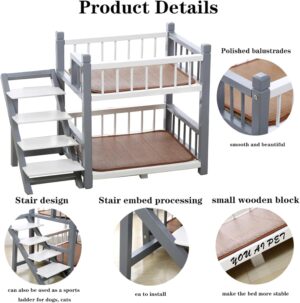
🐶 Upgrade Your Dog’s Nap Game Today! 🛏️
Give your pups the cozy luxury they deserve with the SUZEPER Dog Bunk Bed – perfect for small, medium, and large dogs!
- ✅ Memory Foam Comfort
- ✅ Removable Cover for Easy Cleaning
- ✅ Built-in Stairs for Effortless Access
Price: $128.96
🚚 FREE Delivery: June 16–26
🕒 In Stock – Ships in 3–4 Days
🔄 30-Day Refund/Replacement Guarantee
👉 Order Now on AmazonYour dogs will thank you!
Suitability Assessment: Is Your Dog (and Home) Ready?
Dog Personality and Physical Assessment
✅ Ideal Candidates:
- Dogs comfortable with elevated surfaces
- Calm, confident temperaments
- Good mobility and coordination
- Dogs that already coexist peacefully
⚠️ Requires Careful Evaluation:
- Senior dogs with mild mobility issues
- Dogs new to multi-pet households
- Breeds with shorter legs (may need ramp access)
- Dogs between 6-12 months (rapid growth phase)
❌ Poor Candidates:
- Dogs with severe arthritis or mobility limitations
- Fearful or anxious personalities
- Resource guarders or aggressive dogs
- Puppies under 6 months old
Multi-Dog Household Dynamics
Compatible Combinations:
| Dog Relationship | Success Rate | Key Considerations |
|---|---|---|
| Bonded pairs | 85-90% | Usually adapt quickly, may prefer sharing levels |
| Established pack | 70-80% | Hierarchy already settled, less conflict |
| Size-matched dogs | 75-85% | Similar access needs, balanced weight distribution |
| New introductions | 40-60% | Requires careful timing and gradual introduction |
Home Environment Requirements
Space Requirements:
- Minimum ceiling height: Dog height + platform height + 18″ clearance
- Floor space: Bed footprint + access system + 24″ walkway clearance
- Ventilation: Adequate air circulation around sleeping areas
Lifestyle Considerations:
- Quiet households adapt faster than chaotic environments
- Consistent routines support adaptation
- Multiple family members should participate in introduction process
Material & Safety Standards: What Separates Good from Great
Frame Construction Analysis
When evaluating a canine bunk bed or planning a DIY build, consulting comprehensive dog bunk bed plans can help ensure all safety features are properly integrated.
Construction Quality Indicators:
| Material | Strength Rating | Maintenance | Best For |
|---|---|---|---|
| Solid Oak/Maple | Excellent | High | Large dogs, permanent placement |
| Quality Pine | Good | Medium | Medium dogs, budget-conscious |
| Powder-Coated Steel | Excellent | Low | All sizes, easy cleaning |
| Marine Plywood | Good | Medium | DIY builds, moisture areas |
Critical Safety Standards:
- Weight capacity: 150% of combined dog weight minimum
- Stability testing: No movement when dogs jump on/off
- Non-toxic finishes: GREENGUARD or equivalent certification
- Joint reinforcement: Multiple fastening methods at stress points
Access System Engineering
Stair Specifications by Dog Size:
| Dog Weight | Step Height | Step Depth | Angle |
|---|---|---|---|
| Under 25 lbs | 4-6″ | 8-10″ | 30-35° |
| 25-60 lbs | 6-8″ | 10-12″ | 35-40° |
| Over 60 lbs | 8-10″ | 12-14″ | 40-45° |
Essential Safety Features:
- Non-slip surfaces on all treads
- Appropriate spacing for dog gait patterns
- Sturdy handrails for upper bunk access
- Emergency exit accessibility
Market Analysis: Top Brands vs DIY Options with Pricing
Commercial Market Overview
Budget Tier ($50-150):
- Engineered wood construction
- Basic hardware and minimal features
- Limited weight capacity (typically 50-75 lbs)
- Assembly required, basic instructions
Mid-Range ($150-300):
- Solid wood or quality metal frames
- Enhanced safety features and better hardware
- Weight capacity 75-150 lbs
- Better customer support and warranties
Premium Tier ($300+):
- Hardwood construction with commercial-grade hardware
- Comprehensive safety certifications
- Weight capacity 150+ lbs
- Extended warranties and assembly services
DIY Construction Assessment
Skill Level Requirements:
You’ll need solid woodworking (or metalworking) skills, including accurate measuring, precise cutting, strong joinery techniques, and proper fastening. Experience with construction instructions and interpreting professional woodworking blueprints is a major plus.
DIY Cost Breakdown:
- Materials: $75-200 depending on wood quality
- Hardware: $25-50 for quality fasteners
- Tools (if needed): $50-300 for basic setup
- Time investment: 8-20 hours for most designs
If you’re following existing detailed woodworking plans, choose reputable plans from experienced builders. Don’t simply eyeball measurements or rely on flimsy designs.
DIY Advantages:
- Complete customization for your specific dogs and space
- Potential cost savings with quality materials
- Personal satisfaction and learning experience
- Ability to modify or repair over time
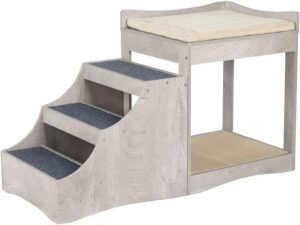
🐾 Comfort Meets Convenience – All in One Bunk!
Treat your pets to the unipaws Pet Bunk Bed – a stylish, multi-level sleep and play station that’s perfect for both dogs and cats!
✨ Now Only $179.99
(Save 10% – was $199.99)
- 🪟 Doubles as a Window Perch
- 🛋️ Cushioned Platform + Scratch Pad
- 🪜 Removable Steps for Easy Access
- 💪 Sturdy Build – Ideal for Indoor Use
🚚 FREE Delivery for Prime – Arrives by Tuesday, May 27
🔁 FREE Returns + 30-Day Refund/Replacement
🔒 Secure Checkout via Amazon
📦 Ships from Amazon | Sold by Universe Home Inc
Your pet’s favorite hangout awaits!
Total Cost of Ownership Comparison
Commercial Bed Analysis:
- Purchase price + shipping + assembly time
- Expected lifespan: 3-10 years depending on quality
- Warranty coverage and replacement part availability
- Annual cost: $20-100 per year
DIY Project Analysis:
A well-built DIY bed with high-quality materials and based on reliable woodworking plans can last just as long as a commercial one, offering true long-term value.
- Material + tool costs + your time value
- Expected lifespan: 5-15 years with proper construction
- No warranty but full repair control
- Annual cost: $15-60 per year (excluding time)
Room Integration & Space Optimization Strategies
Layout Planning and Measurements
Critical Measurements Checklist:
Optimal Placement Strategies:
| Room Location | Pros | Cons | Best For |
|---|---|---|---|
| Master Bedroom | Close to owners, quiet | Limited space | Bonded pairs |
| Living Room | Central location, supervised | High traffic | Social dogs |
| Dedicated Pet Room | Specialized setup | Isolated from family | Multiple pets |
| Basement/Garage | Out of way, cooler | Poor ventilation, damp | Rarely recommended |
0